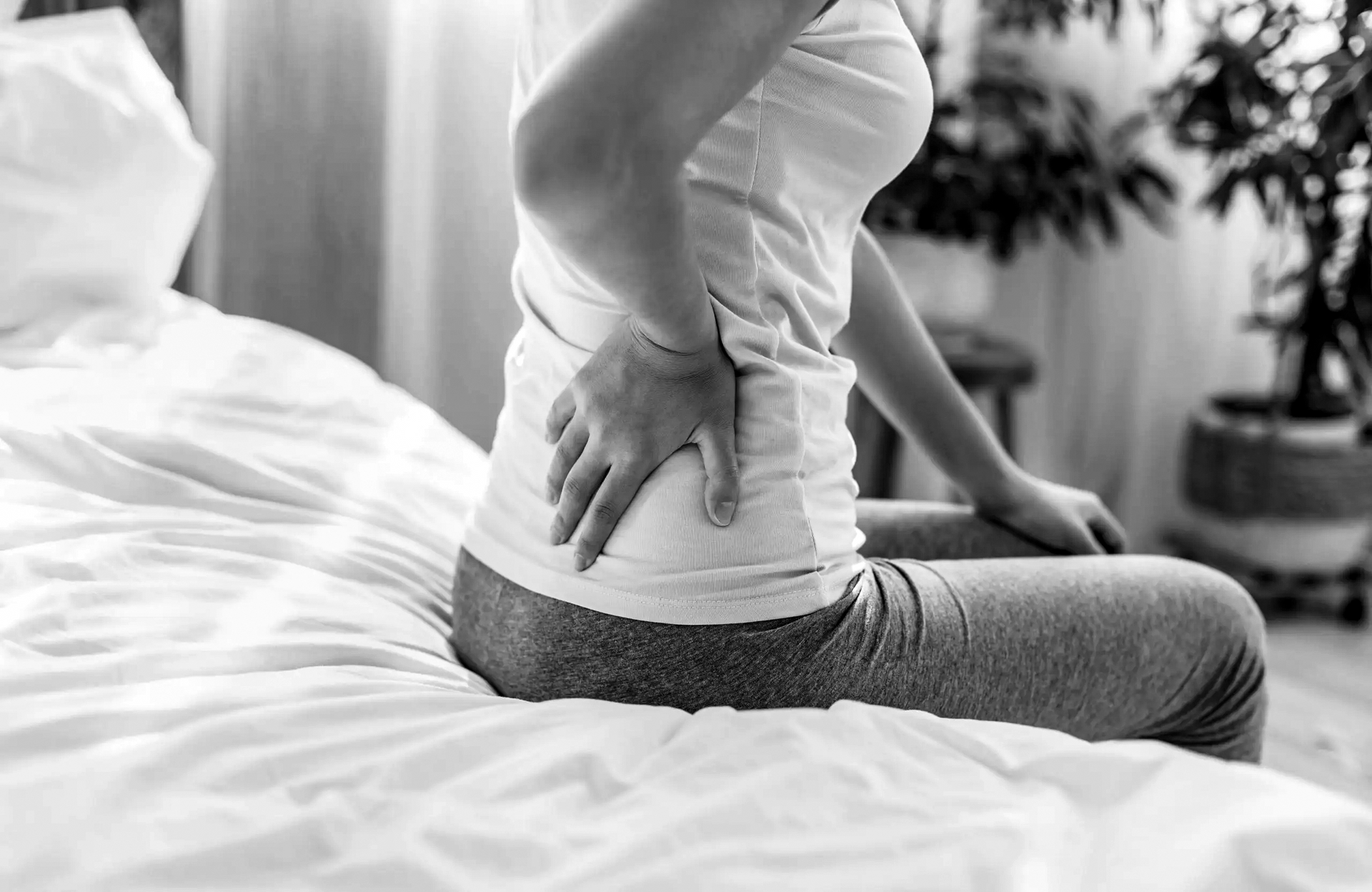
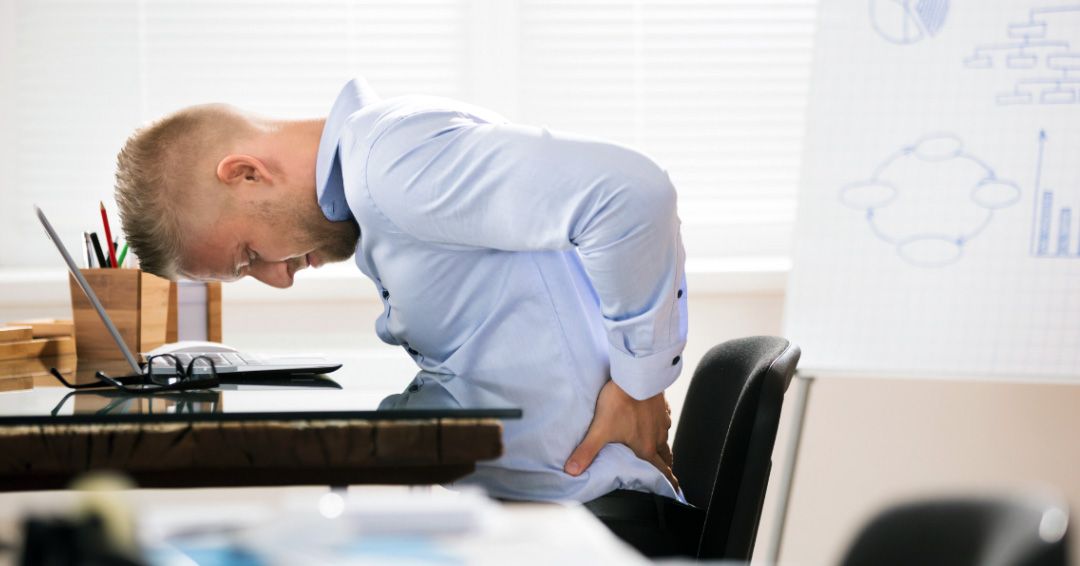
You finish a meeting, get out of the car, or stand up from the couch — and for the first few steps, your lower back does not want to cooperate.
Maybe you straighten slowly. Maybe there is a sharp catch, a deep ache, or a feeling that your back needs a minute before you can move normally again. Then, once you walk around, it eases.
That pattern is common. It is also useful information. Pain that shows up when you transition from sitting to standing can offer clues about how your lower back, hips, joints and surrounding muscles are handling movement.
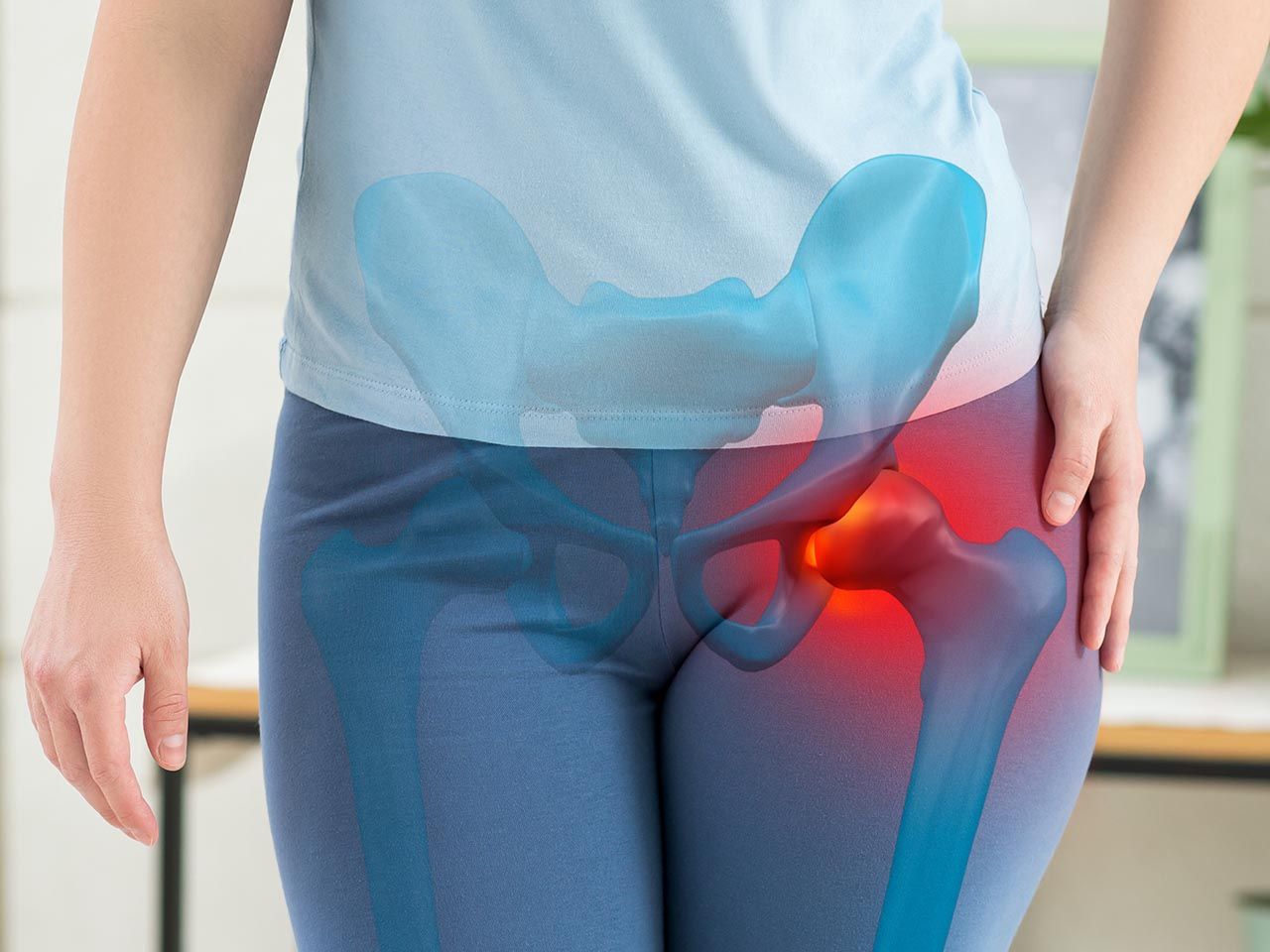
Sitting keeps the hips and lower back in a relatively fixed position. The longer you stay there, the more noticeable stiffness can become — especially if an area is already irritated or not moving comfortably.
When you stand, your body has to quickly shift from a flexed, supported position to an upright, weight-bearing one. Your hips extend, your trunk muscles engage and the joints of the lower back begin moving differently. If that transition is not happening smoothly, those first few steps may hurt.
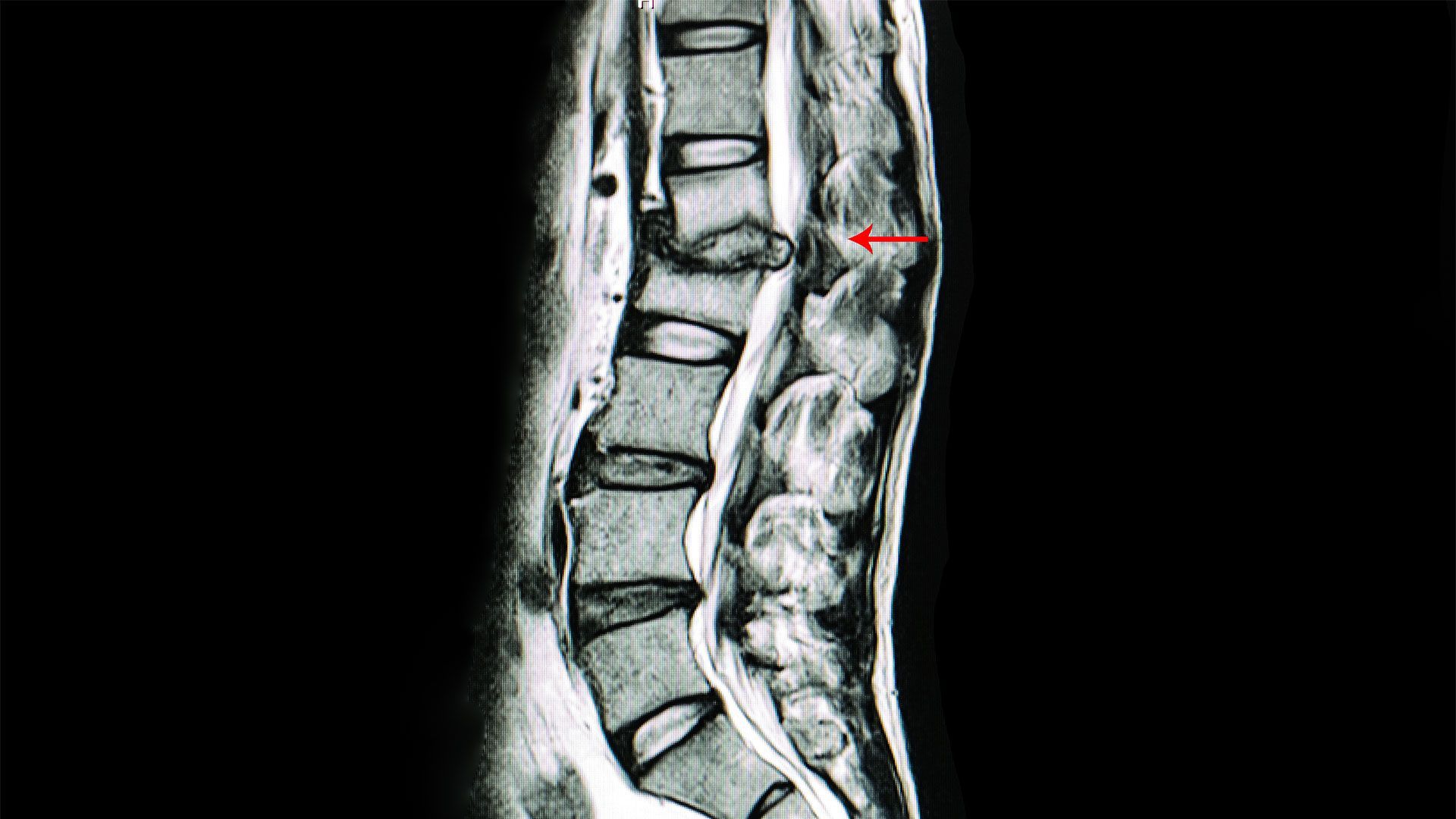
The important point is that “pain after sitting” is a symptom pattern, not a diagnosis. Muscle tension, joint irritation, hip mobility, an old injury and other conditions can all contribute.
The Details Matter
When Dr. Brenda Dukes evaluates recurring lower back pain, the story around the pain matters. Useful questions include:
• Does it happen after ten minutes of sitting or only after an hour?
• Is the pain centered in the lower back, or does it travel into the buttock or leg?
• Does walking make it better?
• Do you feel the same stiffness getting out of bed or out of the car?
• Is there numbness, tingling or weakness along with the pain?
Those details help distinguish a simple movement problem from symptoms that may need a different type of evaluation.
Pain that travels down a leg, significant numbness or weakness, loss of bowel or bladder control, fever, unexplained weight loss, or severe pain after a significant injury should be medically evaluated promptly.
What Can You Try at Home?
If your symptoms are mild and there are no warning signs, a few simple habits may make transitions easier:
• Change position regularly instead of waiting until your back feels locked up.
• Before standing, bring your feet underneath you and gently shift forward rather than twisting out of the chair.
• Take a short walk every 30–60 minutes when your day involves prolonged sitting.
• Notice whether your chair height, car seat or workstation consistently puts you in an uncomfortable position.
• Keep moving within a comfortable range. Complete inactivity often makes stiffness feel more noticeable.
When the Same Pain Keeps Coming Back
A stretch or short walk may settle things temporarily. But if the same pain returns every time you sit, the better question is why your back keeps reacting that way.
Dr. Dukes takes time to understand the pattern, examine how your spine and hips move, and determine whether conservative chiropractic care is appropriate. Care may focus on improving comfortable joint motion, reducing muscular tension and helping you move through everyday transitions with less guarding.
The goal is not simply to make standing up easier for a few minutes. It is to help you understand what may be contributing to the problem so you can move through your day with more confidence.
Your Back Shouldn’t Need a Warm-Up Every Time You Stand
If you routinely brace yourself before getting out of a chair, car or booth at a restaurant, do not ignore the pattern. A thoughtful evaluation can help you understand what is happening and what options may be appropriate for you.
Call Dr. Brenda Dukes to schedule an evaluation and start with a conversation about when your pain happens, what makes it better and what keeps bringing it back.
📍 Dukes Chiropractic Health Clinic — Plant City, Florida
📞 (813) 752-2524
🌐 dukeschiropractic.com