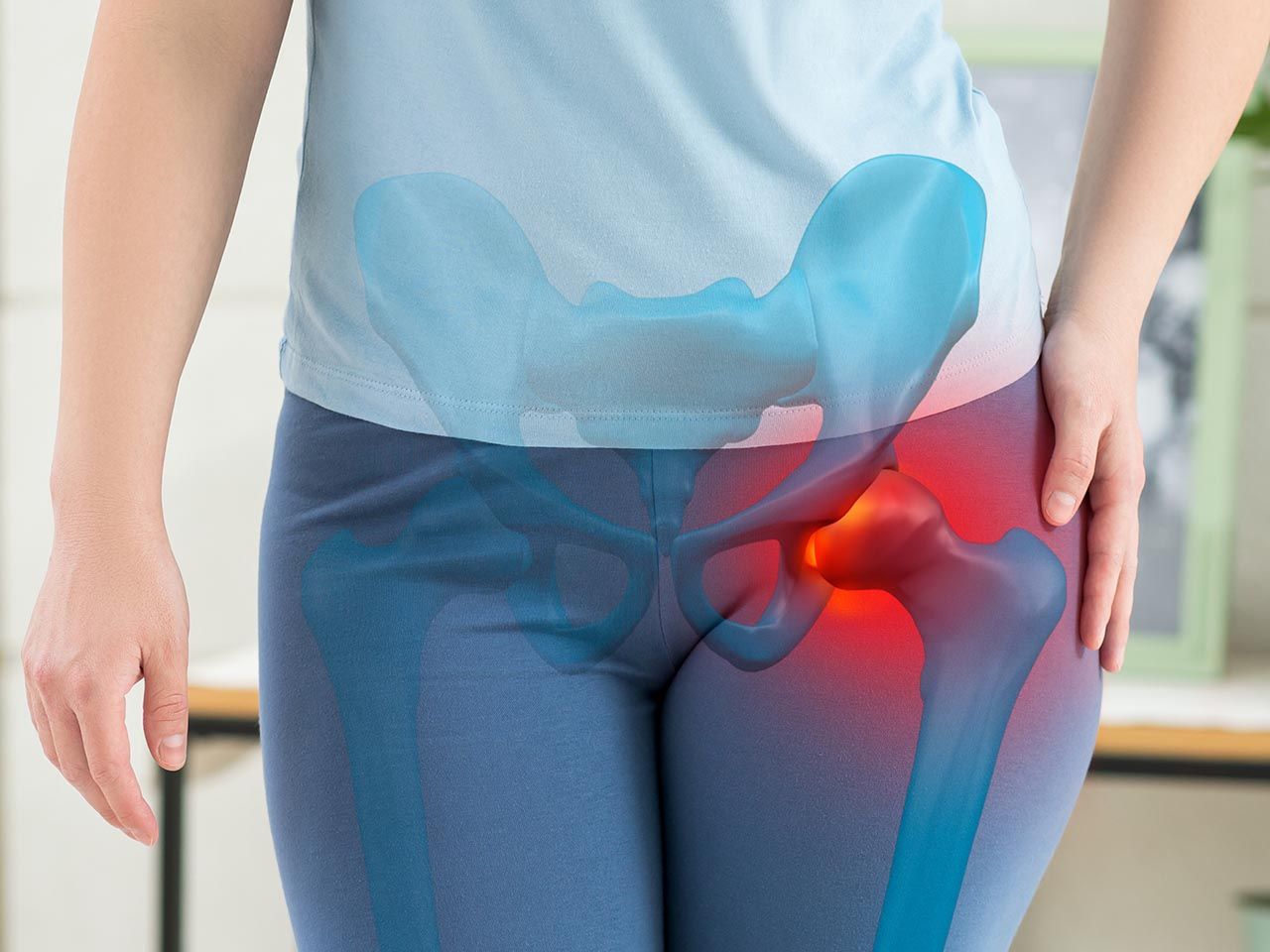
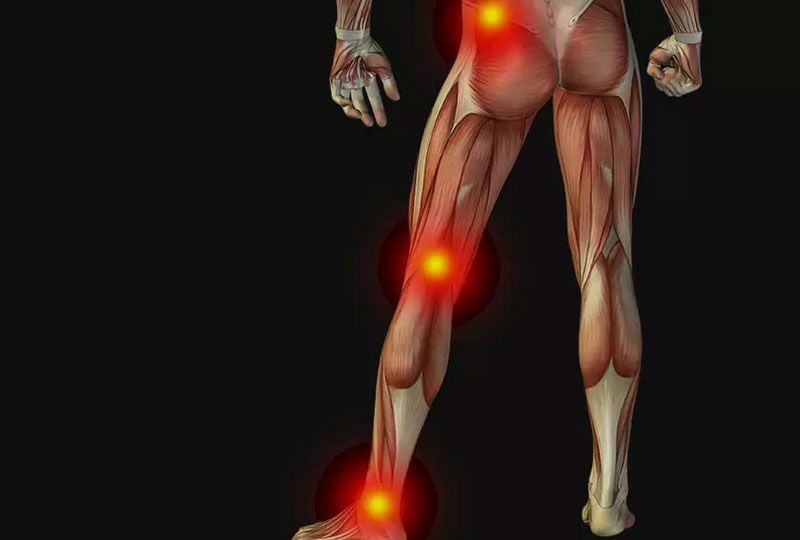
One of the most common phrases I hear is, “My MRI shows degeneration.”
For many patients, those words feel like a verdict. But it’s important to understand that an MRI shows structure. It does not measure pain. And structure and pain do not always match.
When Imaging Is Helpful
There are times imaging is critical — trauma, suspected fractures, progressive neurological loss, or red-flag conditions. Dr. Dukes evaluates carefully for these situations and refers when appropriate.
For many patients with chronic back or neck discomfort, the next step isn’t panic — it’s functional evaluation and a more balanced clinical perspective.
If you’ve been told your spine is “degenerating,” remember:
· You are more than your scan.
- Many imaging findings are common and manageable.
- Pain can improve even when structural changes remain.
- Conservative care often reduces inflammation, improves mobility, and restores function.
If you have questions about imaging findings and what they really mean for your health, schedule a consultation with Dr. Dukes. Clarity reduces fear — and informed care builds confidence.
Your MRI Is Not Your Destiny: A Conservative Path Forward
Degeneration on an MRI is often a reflection of normal aging, not necessarily damage. Research shows that many adults over 40 have disc bulges, mild arthritic changes, or “wear and tear” findings without experiencing any pain at all. A disc bulge does not automatically explain your symptoms, and arthritis on imaging does not guarantee severe discomfort. Imaging can reveal structural changes, but it cannot measure how your nervous system is responding to those changes — and that distinction matters.
The opposite is also true: some patients experience significant pain with very minimal imaging findings. Pain is influenced by inflammation, muscle tension, nerve sensitivity, stress, and movement dysfunction. The spine is not just a stack of bones; it’s a dynamic, neurologically active system. When movement is restricted or protective muscles remain tight, discomfort can persist even if your MRI is described as “mild.”
Treating the Patient, Not the Picture
At Dukes Chiropractic, imaging is viewed as one piece of the puzzle — not the whole story. A thorough evaluation includes orthopedic and neurological testing, postural and movement assessment, palpation and joint mobility evaluation, and a careful review of your symptom patterns. The purpose is simple: determine what is truly driving your discomfort, whether conservative care is appropriate, and when referral or co-management is necessary. Test results should guide a thoughtful, individualized plan of care — not define you or push you toward aggressive intervention.
This conservative approach aligns with national medical guidance. The American College of Physicians, in guidelines published in Annals of Internal Medicine and supported broadly within the medical community, recommends non-invasive, non-drug therapies as the first-line treatment for most spine-related pain before prescription medications are considered.
By focusing on function rather than fear, many patients are able to pursue safe, conservative options such as chiropractic adjustments, therapeutic massage, PEMF, or CYMA therapies before considering invasive procedures or long-term medication use. The goal is always the same: restore stability, reduce pain, and help you get back to living life on your terms.
If you’re ready to explore a proven, non-invasive path to relief, Dr. Brenda Dukes is ready to help. She'll help you be pain-free, energized, and ready to live life on your terms. 📞 Call today to schedule your consultation: (813) 752-2524