Most of my patients don’t come in because something suddenly went wrong. They come in because something small never quite got better.
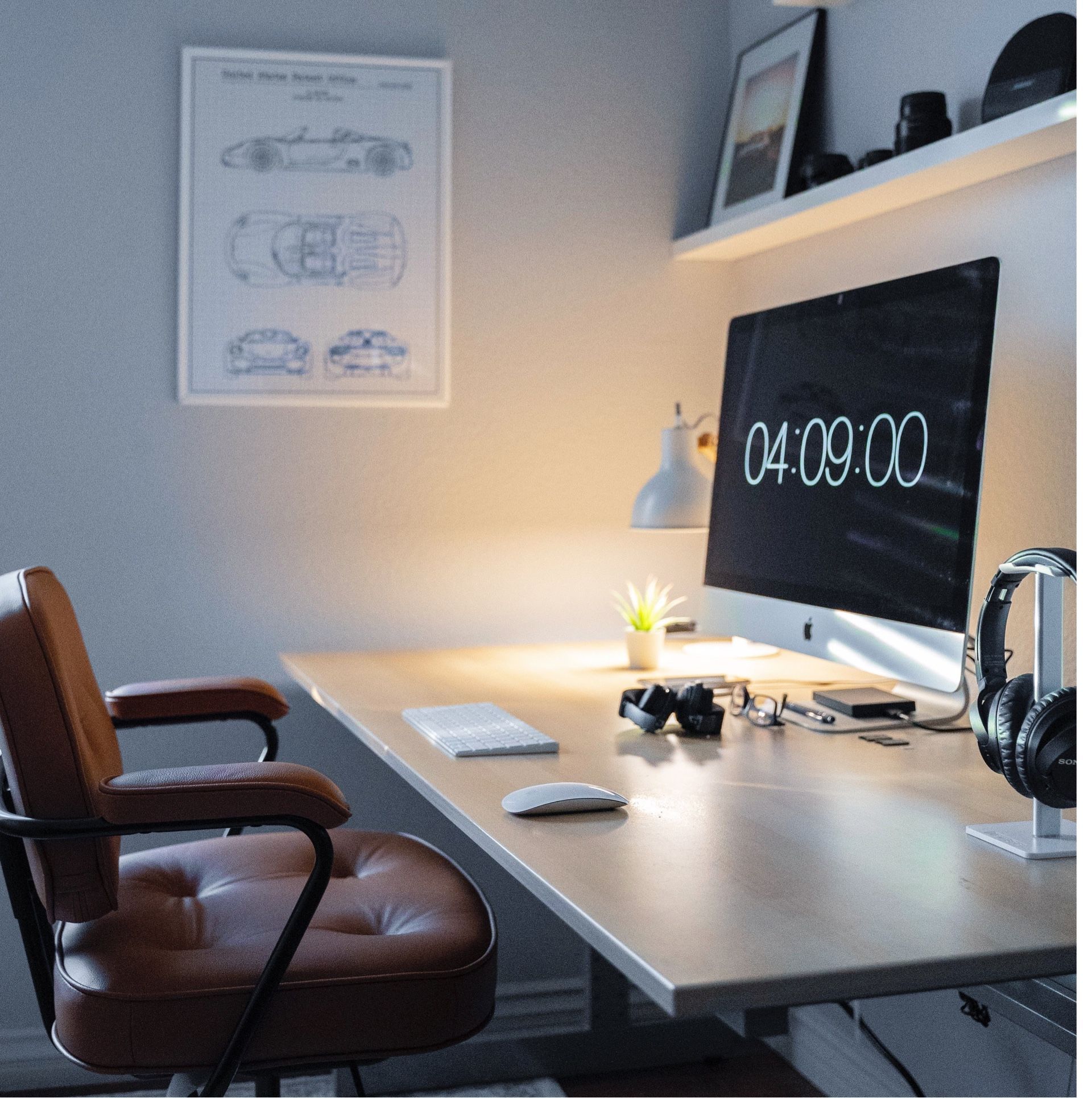
If you spend most of your day at a desk—at home or in an office—you’re asking your body to hold the same position for hours at a time. It’s normal. It’s how work gets done today. But your body keeps score, even when you’re not in pain.
What I See in the Office Every Week
There’s a pattern I see over and over. Someone sits down in front of me and says, “It’s probably nothing. Just some stiffness… maybe stress.” Then we talk through their day.
- 6–8+ hours sitting
- Laptop or dual monitors slightly below eye level
- Phone use layered on top of that
- Very little movement during the workday
From there, the picture usually comes together quickly. Your head starts drifting forward. Your shoulders round. Your hips tighten. Your lower back stops doing what it’s supposed to do. None of that hurts right away. That’s why it’s easy to ignore.
Sarah’s Story: “I Thought It Was Just Headaches”
Sarah works an administrative job here in town. When she came in, she wasn’t complaining about her back—she was dealing with headaches that kept coming back. Her words were almost identical to what I hear every week:
“I think it’s just stress. I sit a lot, but I’m not really in pain.”
After a quick evaluation, it was clear her posture had shifted forward over time. Her neck and upper back were doing extra work all day just to hold her head up. Those headaches weren’t random. They were the result of daily strain that had been building quietly.
We didn’t overhaul her life. We made a few targeted adjustments, worked on alignment, and talked through simple changes to her setup. Her headaches eased up faster than she expected. The important part: Nothing “sudden” caused the problem. It had been building for a while.
Mark’s Story: “It Happened in the Yard… Right?”
Mark came in after a weekend of yard work. Lower back pain, pretty uncomfortable. He was convinced he’d pulled something.
But once we dug into his routine, the bigger factor showed up: long hours sitting during the week.
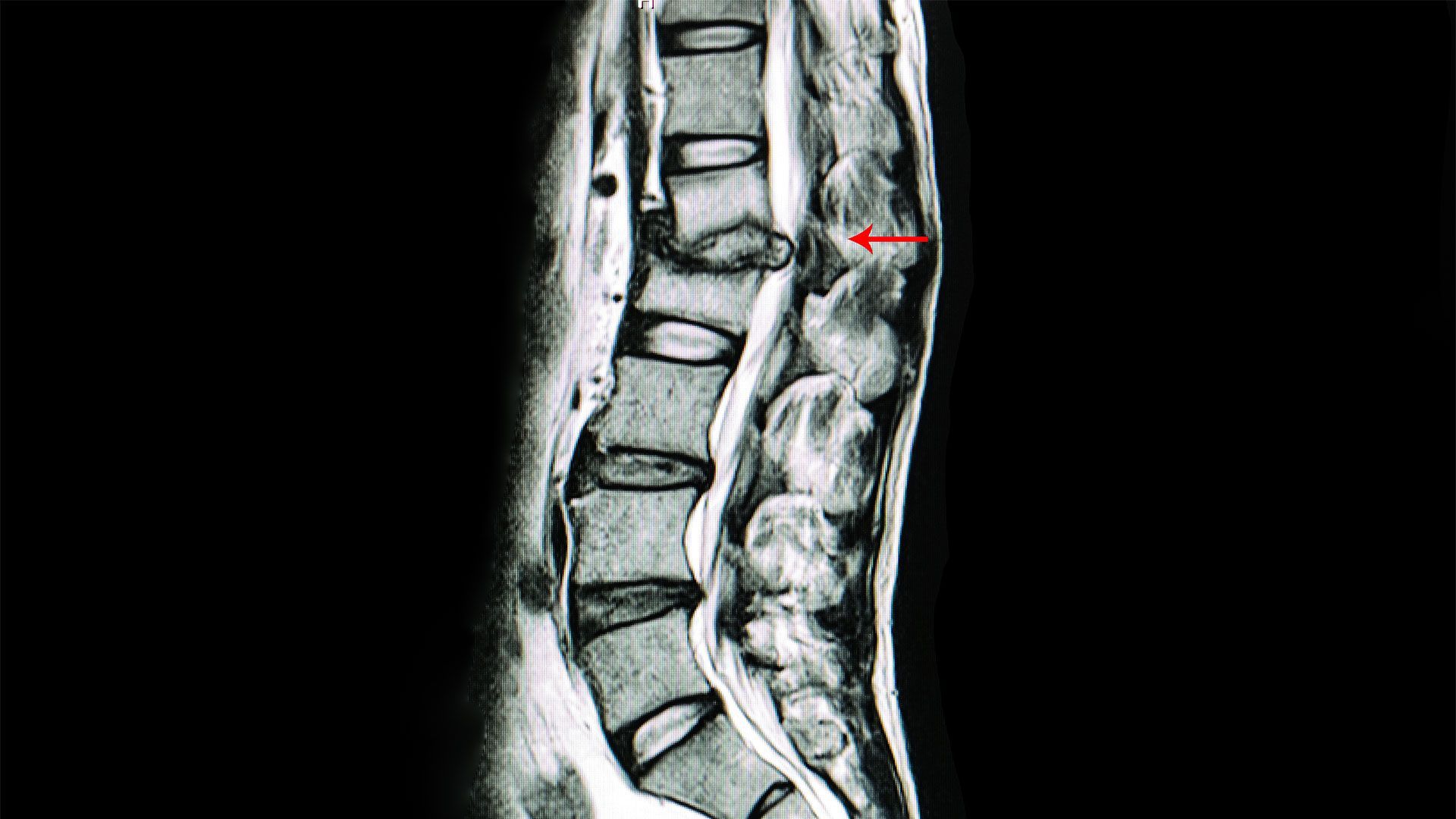
His hips had tightened over time. When he went to move and lift outside, his lower back had to compensate.
The yard work didn’t create the issue—it exposed it.
Once we addressed the underlying tightness and alignment, things settled down and stayed that way.
Why This Sneaks Up on You
Here’s the part most people don’t realize: Pain usually shows up late.
Before that, your body gives you quieter signals:
- stiffness in the morning
- tension between the shoulders
- a neck that feels tired by the end of the day
- needing to stretch more often
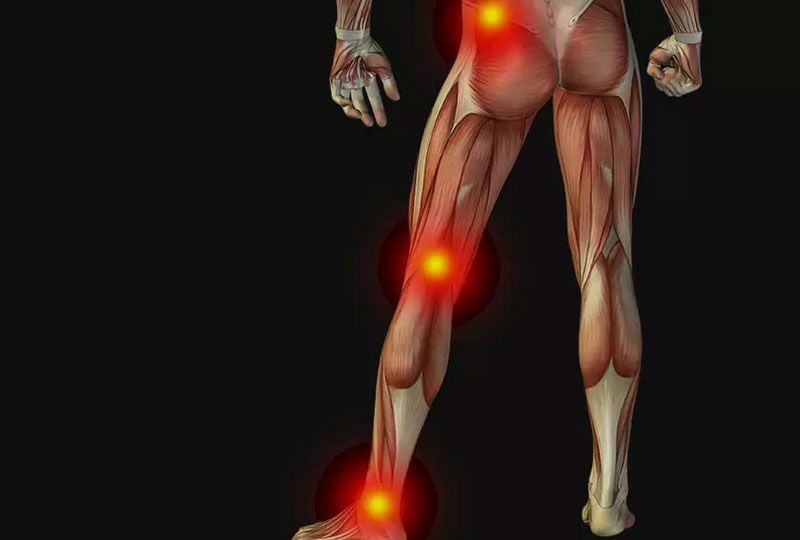
Those aren’t random. They’re early warnings. Ignoring them doesn’t make them go away—it just gives them time to turn into something harder to unwind.
What I Tell My Patients to Start Doing
You don’t need to redesign your workspace or your schedule overnight. The goal is simple: interrupt the pattern.
Here’s where to start:
- Move more often than feels necessary.
Stand up, walk, stretch—anything that breaks the sitting cycle. Even a minute or two helps.
- Bring your screen up.
If you’re looking down all day, your neck pays for it. Eye-level is the goal.
- Reset your posture a few times a day.
You don’t have to hold perfect posture constantly. Just check in and correct it regularly.
- Pay attention to the “small stuff”.
Tightness and fatigue matter. They’re your body’s way of asking for help early.
Where Chiropractic Care Comes In
Most people think of chiropractic care as something you do after something hurts.
In reality, a lot of what I do is help people stay ahead of that point.
For desk-based patients, that usually means:
- improving alignment
- reducing built-up tension
- helping the body move more naturally again
It’s not about quick fixes. It’s about keeping small problems from becoming bigger ones.
If You Sit Most of the Day
You’re not doing anything wrong. You’re just working in the environment most of us work in now.
But if your body feels a little tighter than it used to… a little more fatigued… or just “off” by the end of the day—that’s worth paying attention to.
Catching it early is always easier than chasing it later.