If your shoulder feels stiff, achy, or harder to move than it used to, osteoarthritis may be part of the picture.
That persistent tightness when you reach overhead. The dull ache that shows up after a long day — or first thing in the morning before you've had a chance to move. For many people, these feelings become so familiar that they stop mentioning them. They adapt. They reach a little less. They push through.
But discomfort that limits how you move your shoulder isn't something you simply have to accept. And while osteoarthritis itself is a gradual process, how your joint moves — and how it feels — is often something that can be meaningfully improved with the right approach.
What Is Shoulder Osteoarthritis?
Osteoarthritis is one of the most common joint conditions in adults, and the shoulder is more commonly affected than many people realize. It develops when the cartilage inside a joint — the smooth tissue that cushions the ends of bones — gradually wears down over time. As cartilage thins, the joint can become less fluid in its movement, and surrounding tissues may respond with tightness and inflammation.
The shoulder is actually made up of two joints: the glenohumeral joint (where the arm bone meets the shoulder socket) and the acromioclavicular (AC) joint at the top of the shoulder. Osteoarthritis can develop in either location, and the experience can vary depending on which is involved.
Common signs include stiffness that's worse in the morning or after rest, aching during or after movement, a reduced range of motion that builds gradually, and a sense of grinding or catching in the joint.
Why Does It Develop?
Osteoarthritis is often associated with age-related joint changes — but age alone doesn't tell the whole story. Contributing factors may include:
- Prior shoulder injuries or dislocations
- Repetitive overhead movements over many years
- Muscle imbalances that alter how the joint loads
- Previous rotator cuff damage or surgery
- Genetic factors that influence cartilage resilience
In many cases, it's a combination of factors over time. The joint has absorbed more wear than it could fully recover from — and eventually, that shows up as symptoms.
Why Symptoms Often Persist
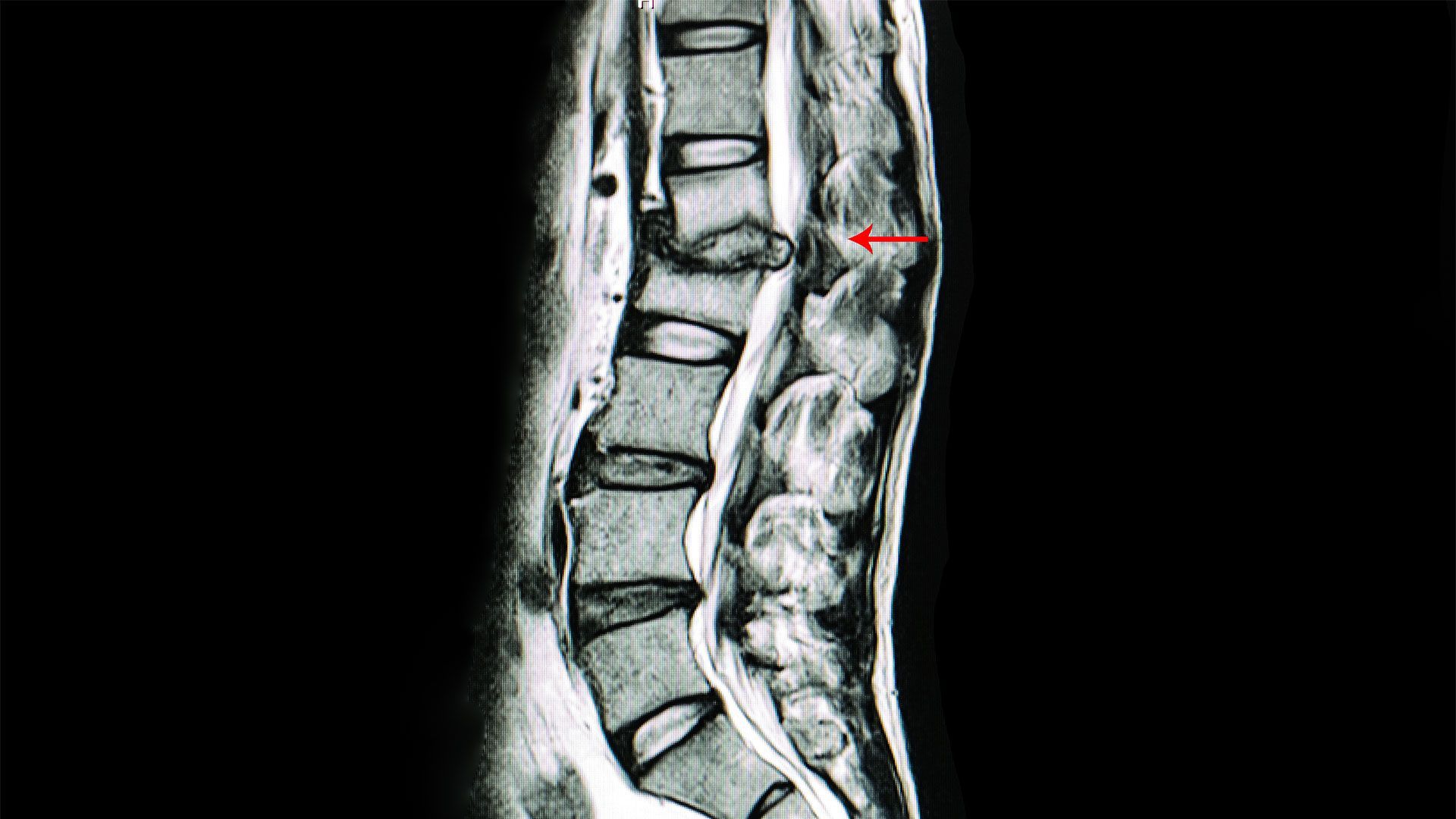
One of the more frustrating aspects of osteoarthritis is that the discomfort doesn't always correlate neatly with what imaging shows. Some people have significant joint changes on an X-ray and feel relatively little discomfort. Others experience considerable pain with only mild structural findings.
That's because pain in the shoulder isn't only about cartilage. The muscles surrounding the joint — the rotator cuff, the deltoid, the muscles along the upper back and neck — all contribute to how the joint functions. When the joint moves poorly, these muscles compensate. Over time, that compensation creates tension, altered movement patterns, and sometimes additional pain that extends beyond the shoulder itself.
Improving how the joint and the surrounding tissues function — rather than focusing solely on the structural findings — is often where meaningful relief begins.
How Chiropractic Care May Help
Chiropractic care focuses on joint mechanics, mobility, and the relationship between the spine and the rest of the body. For shoulder osteoarthritis, a conservative, non-invasive approach may include:
- Evaluation of shoulder range of motion and joint mobility
- Gentle adjustments or mobilization techniques to improve movement
- Soft-tissue work to reduce muscle tension and improve circulation
- Assessment of the cervical spine and thoracic spine, which can influence shoulder mechanics
- Guidance on movement habits and daily activities that may be contributing to strain
The goal isn't to reverse the underlying joint changes — those are structural. The goal is to improve how the joint moves within its current condition, reduce the muscular tension that builds around it, and help you do more with less discomfort.
Many patients find that when the shoulder begins moving better — even modestly — daily tasks that felt difficult become more manageable. Reaching for a shelf. Sleeping through the night. Carrying groceries without bracing for pain.
What to Expect from Conservative Care
Chiropractic care for osteoarthritis is not a one-session fix. It's a gradual, supportive process. Patients typically experience some improvement in mobility before pain fully resolves — which is actually a good sign. Better movement tends to reduce the chronic tension that amplifies discomfort.
Dr. Brenda Dukes takes a thorough approach to shoulder care, beginning with an evaluation to understand what's contributing to your symptoms, what's already been tried, and what a realistic, individualized plan looks like for you. For some patients, care may also include complementary therapies such as PEMF or Cyma Therapy to support tissue relaxation and recovery alongside adjustments.
If your shoulder pain has been attributed to osteoarthritis — or if you've been told to simply manage it — it may be worth exploring whether improving joint function and muscle balance can make a meaningful difference in how you feel day to day.
Ready to Take the Next Step?
Dr. Brenda Dukes provides non-invasive, opioid-free chiropractic care in Plant City, Florida, with a focus on helping patients move better and feel more comfortable in their daily lives. If shoulder stiffness or aching is limiting what you're able to do, a consultation can help clarify what's contributing and what options are available.
She'll help you move better, feel better, and get back to the life you love. Call today. (813) 752-2524