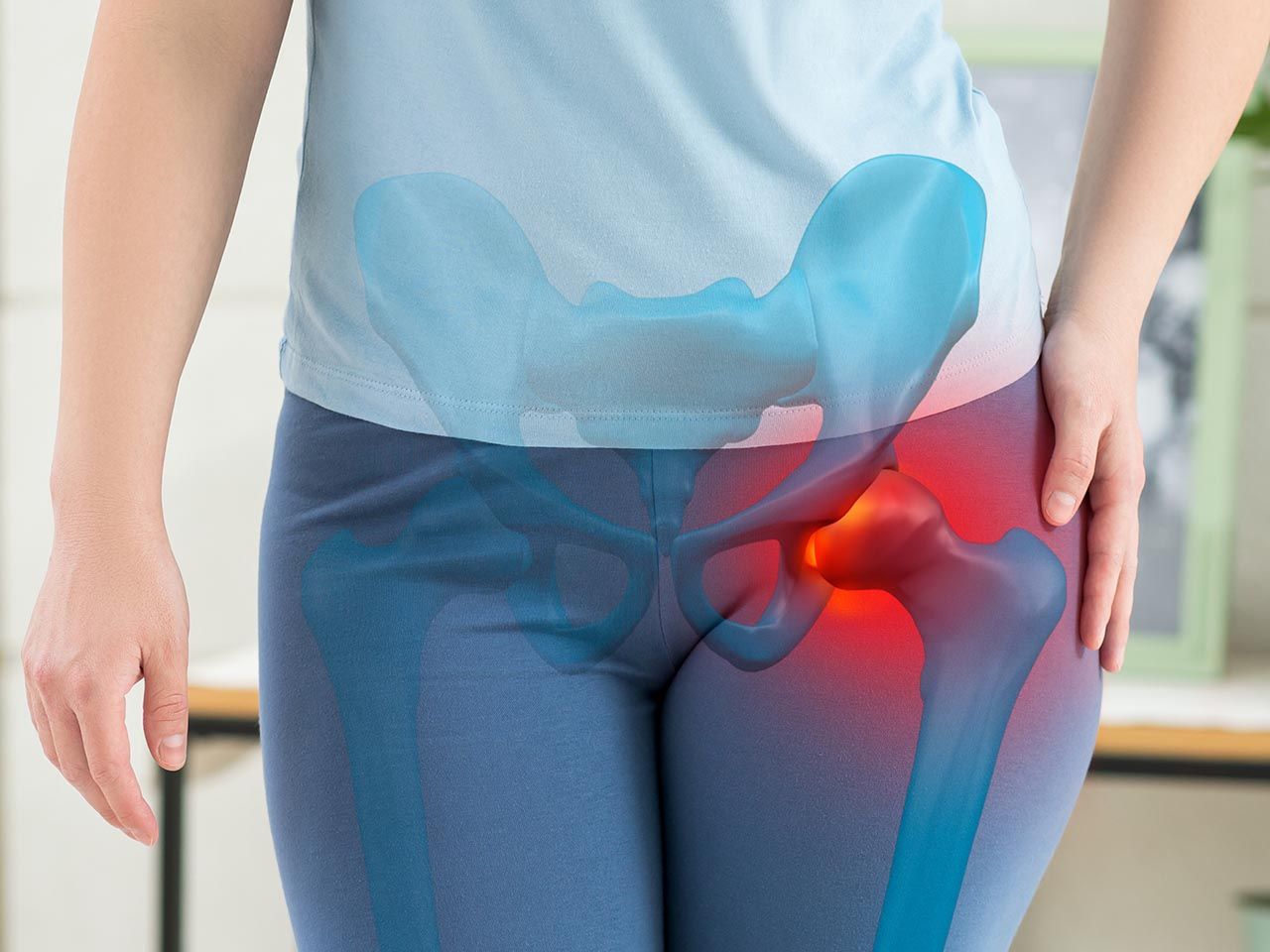
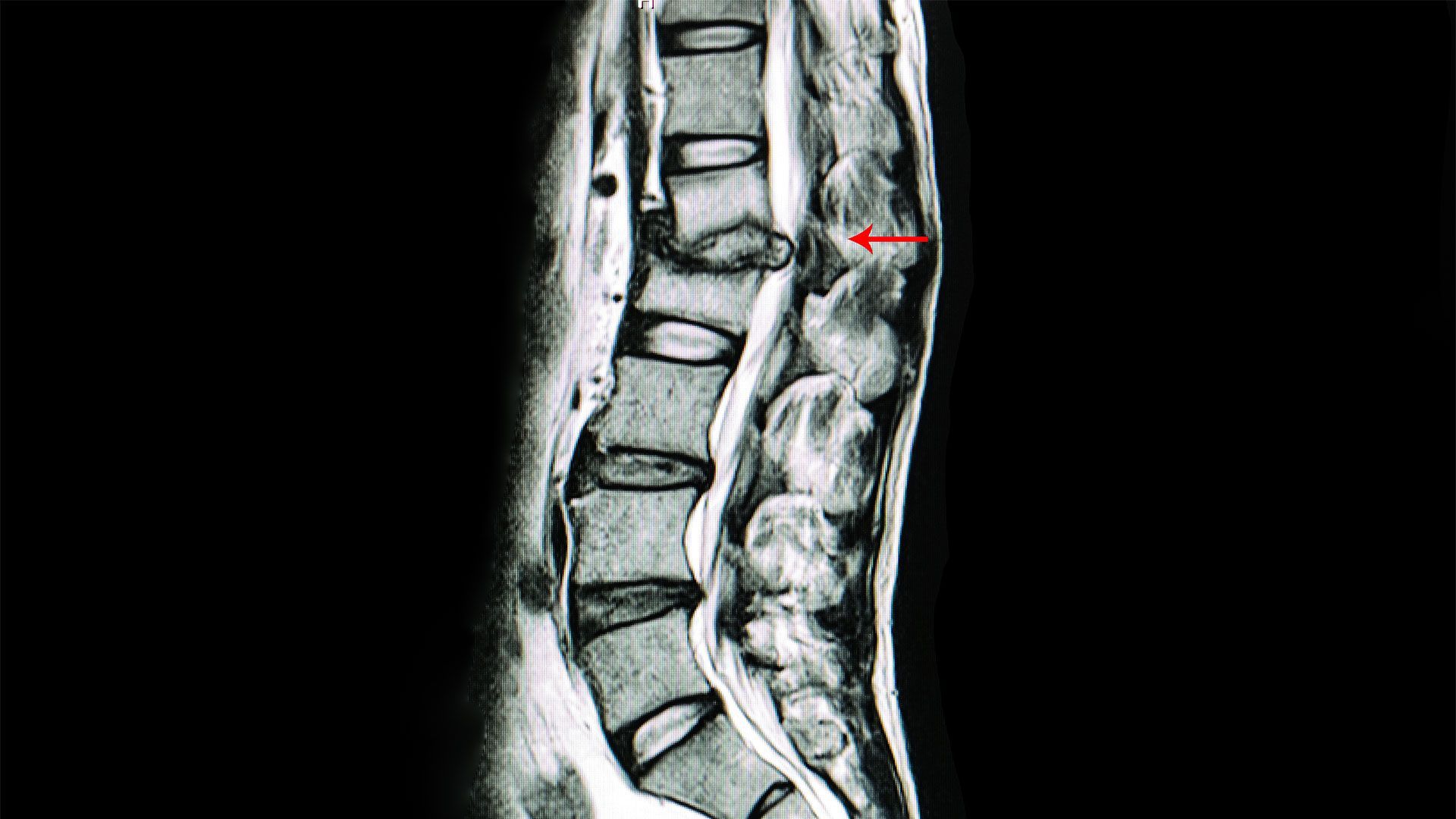
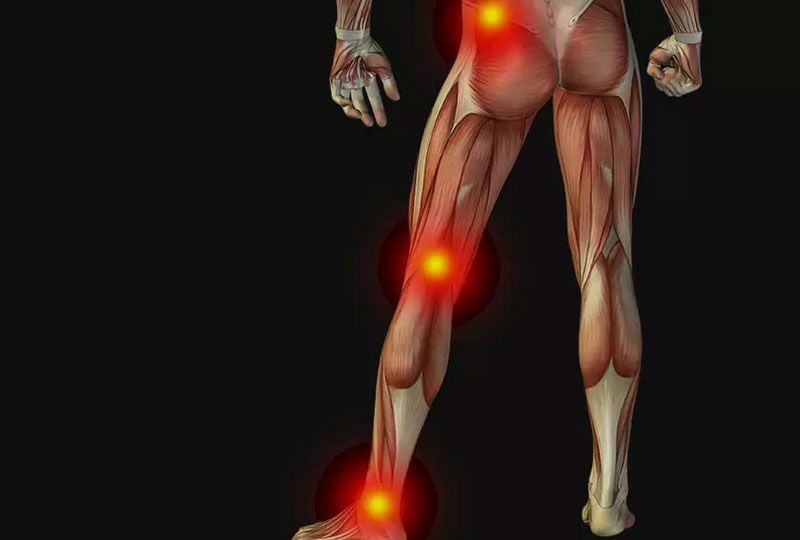
That feeling is real. The body changes gradually over time. Recovery takes longer. Muscles stay tight more easily. Sleep becomes more important. Small strains that once disappeared overnight may now linger for days.
But getting older doesn’t automatically mean you should feel bad all the time.
What Changes After 40
As we get older, the body begins changing in quieter ways that most people don’t notice all at once. Joints gradually lose some mobility, muscle recovery slows down, inflammation becomes easier to trigger, and stress tends to affect the body more physically than it once did. Years of posture habits, repetitive movement, and daily strain also begin adding up over time. For most people, it doesn’t feel like one dramatic shift. Instead, it shows up through smaller frustrations that slowly become more common — stiffness in the morning, soreness after yard work, taking longer to recover, recurring neck or back pain, or simply feeling more physically drained than usual. Those changes tend to build gradually until the body no longer feels as resilient as it once did.
The Problem With “Pushing Through It”
Recovery isn’t the same today as it was in your 20’s. Our bodies become less forgiving of long periods of sitting, repetitive stress, poor sleep, limited movement, and chronic tension.
Rest, regular exercise and fully recovering from injuries is truly important. When recovery doesn’t happen fully, the body begins compensating in subtle ways. One area tightens while another works harder to make up for it. Movement patterns gradually change, and pain often starts showing up in places that don’t seem connected to the original problem.
Nagging soreness can erupt into serious injuries That’s why many patients feel like discomfort “came out of nowhere,” when in reality, the body has usually been adapting quietly beneath the surface for years.
Mobility Matters
One of the biggest predictors of long-term comfort is mobility. Yes, strength is important but, for long term wellness, it must be matched with an emphasis on mobility.
Maintaining healthy movement becomes more important with every decade.
What We Focus on at Dukes Chiropractic
Many patients assume chiropractic care is only for acute injuries. In reality, much of what we do involves helping people stay ahead of chronic problems before they become harder to unwind.
Chiropractic care often focuses on:
- improving mobility
- reducing joint restriction
- decreasing built-up tension
- supporting posture
- helping the body recover more efficiently
The goal is wellness - helping your body function better for longer.
Aging Doesn’t Mean Giving Up Activity
You don’t have to stop being active simply because recovery feels different than it used to.
Dr. Brenda Dukes works with many patients who want to stay mobile, independent, and doing the things they love for as long as possible — whether that’s exercising, traveling, working in the yard, playing with grandkids, or simply getting through the day without constant stiffness and fatigue.
You may not recover the same way you did at 25 — but that doesn’t mean you should settle for feeling limited all the time. Schedule your evaluation today and learn whether chiropractic care may be the right fit for your long-term health, mobility, and wellness goals.
📍 Dukes Chiropractic Health Clinic — Plant City, Florida
📞 (813) 752-2524
🌐 https://dukeschiropractic.com